Energy
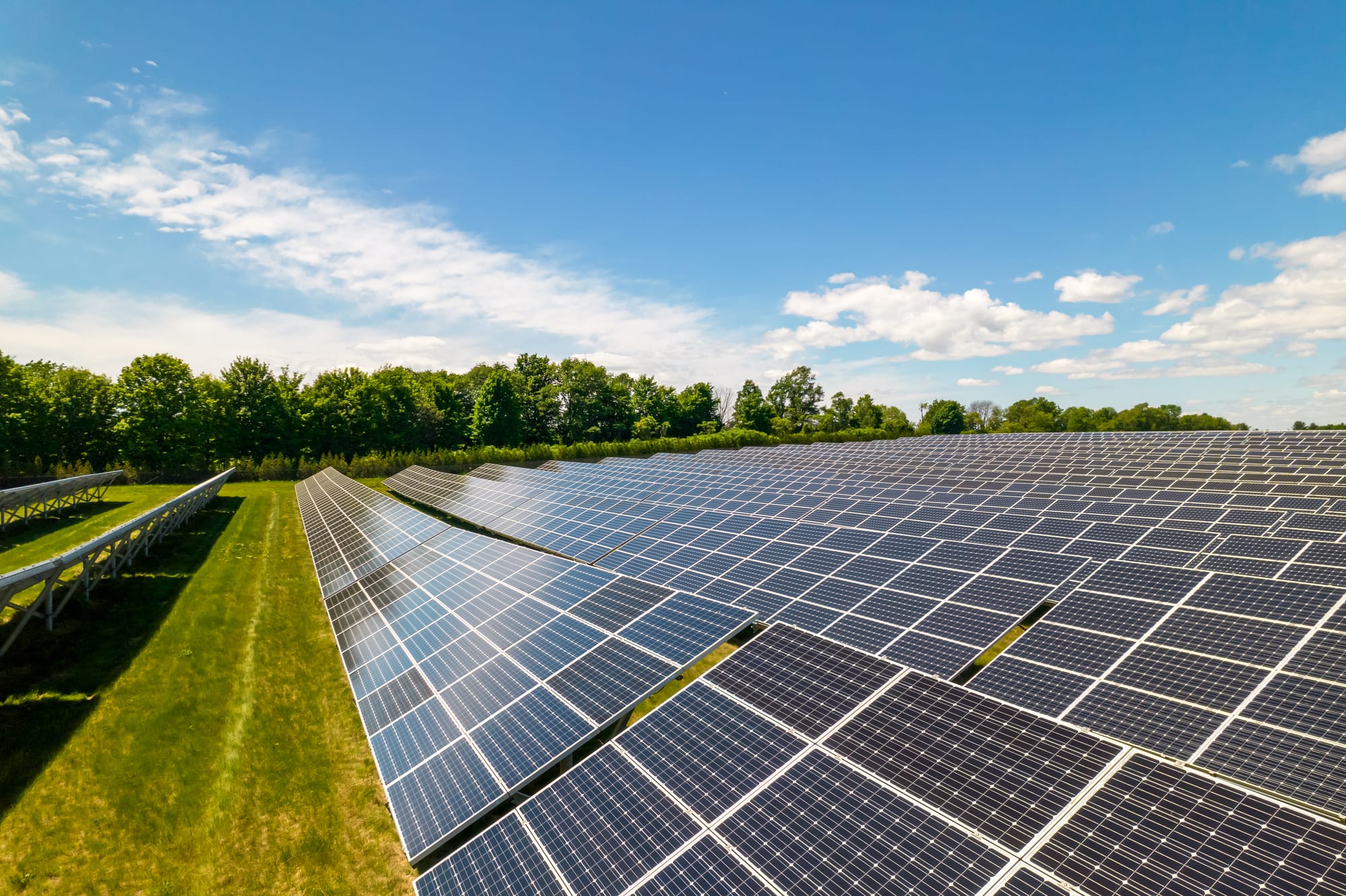
Solomon Islands is unlocking its natural potential to drive sustainable growth and energy independence. The nation is working toward 100% renewable power by 2030, while advancing responsible development of its abundant gold, nickel, and bauxite resources. Together, these sectors form the backbone of a greener and more diversified economy, supported by clear policies, transparent regulation, and strong partnerships that welcome investors committed to long-term, inclusive progress.
1. Renewable energy
The Solomon Islands is transforming its energy future through the Renewable Energy Roadmap (2024), which sets a clear pathway to achieve 100% renewable electricity generation for the main grid by 2030. This ambitious plan invites forward-looking investors to drive the clean-energy transition, support economic growth, and deliver reliable, affordable power across the islands. The Roadmap complements the National Development Strategy 2016–2035, which promotes resilient, inclusive, and environmentally sustainable growth. It also aligns with the National Energy Policy (SINEP 2019–2030), which targets:
- 80% urban and 40% rural electricity access by 2025
- 50% renewable generation by 2035
- 100% renewable energy for Honiara by 2030
The sector operates under a strong and transparent policy framework. The Electricity Act governs generation and licensing, Solomon Power manages grid operations, and the new Renewable Energy Investment Framework simplifies permitting and standardizes Power Purchase Agreements (PPAs) for Independent Power Producers (IPPs). Together, these instruments provide policy stability, clear regulation, and investor confidence, positioning the Solomon Islands as a leader in the Pacific’s clean-energy transition.
Competitive advantages
- Abundant and diverse resource base:
- Solar PV: Strong irradiation (≈5 kWh/m²/day) enables both grid-connected and off-grid solar expansion.
- Hydropower: Significant untapped potential, anchored by the Tina River Hydropower Project and new small hydro sites in Guadalcanal, Malaita, and Choiseul.
- Biomass and Biofuels: Coconut oil and forestry residues can replace diesel in community and industrial energy systems.
- Geothermal and Ocean Energy: Early-stage exploration at Savo Island and other volcanic zones offers long-term baseload potential
- Growing energy demand: Urbanization, industrial development, and the tourism sector are driving annual electricity demand growth of 5–7%. Renewable solutions are increasingly favored to replace costly diesel generation, particularly in outer-island mini-grids.
- Supportive financing ecosystem: Major development partners — including IRENA, ADB, World Bank, JICA, and DFAT — actively co-finance renewable projects through concessional loans, grants, and risk-sharing mechanisms.
Key Investment Opportunities
- Solar farms and rooftop installations for commercial, industrial, and public facilities.
- Hybrid mini-grids (solar + battery or solar + hydro) for outer islands and rural electrification.
- Small and medium hydropower plants feeding provincial grids.
- Biomass and coconut-oil generation for agro-industrial zones.
- Energy-efficiency and storage technologies, including smart meters and battery systems.

2. Mining
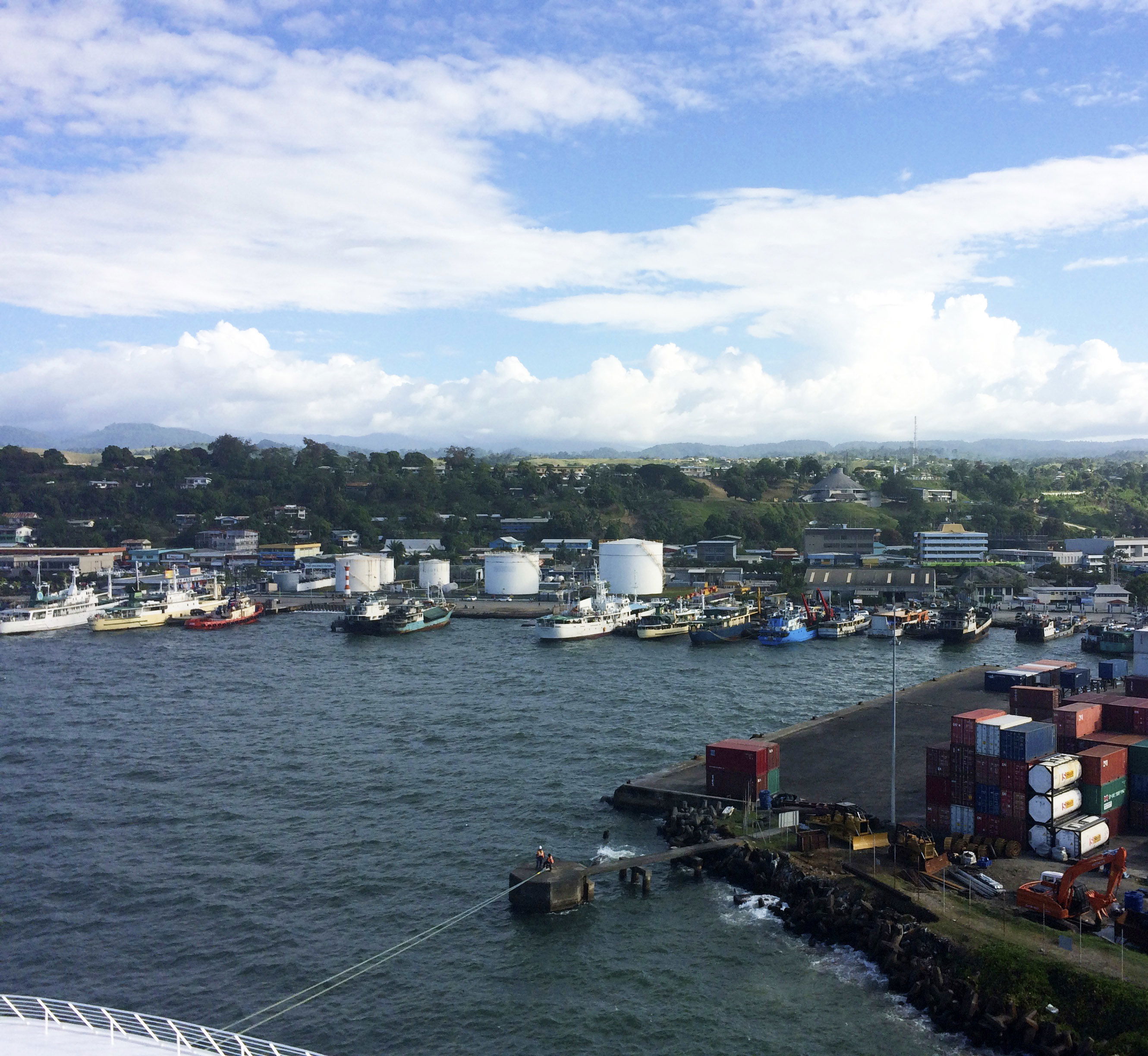
Mining represents 1.9% of Solomon Islands’ GDP (about US$30 million) but contributes significantly to external trade, accounting for 28.6% of total exports in 2024 (second largest sector after forestry). Gold leads with 12.9% of exports, followed by precious metal ore at 10%, and nickel ore at 5.7%.
The country is endowed with substantial deposits of gold, bauxite, and nickel, as well as promising offshore deep-sea mineral resources that have already attracted international exploration interest. In 2022, gold production reached 546 kilograms, almost doubling from 293 kg in 2021, while bauxite output stood at 842,000 metric tons in 2020.
Beyond revenues, mining offers a vital pathway for economic diversification as the logging sector declines. It has the potential to attract large-scale investment, expand infrastructure in rural provinces, create new jobs, and strengthen fiscal stability—positioning it as a cornerstone of Solomon Islands’ long-term development strategy.
Policy framework
- The National Development Strategy (2016–2035) identifies mining as a priority resource sector, emphasizing its role in sustainable growth, rural employment, and infrastructure development, while calling for stronger licensing, environmental assessments, and community participation.
- The Investment Policy & Strategy (2023–2043) highlights mining as a priority sector for investment, encouraging joint ventures with credible international partners to ensure responsible extraction and long-term community benefits.
- The National Minerals Policy (2017–2021) underscores sustainability, transparency, and social inclusion—seeking to avoid the mistakes of the logging industry by aligning mining with international best practices such as the IFC Performance Standards and the UN Sustainable Development Goals.
Investment opportunities
- Gold production & expansion: Expansion of the Gold Ridge Mine (Guadalcanal), expected to generate SBD 7.5 billion annually. Opportunities to reopen dormant gold projects and expand exploration in new provinces.
- Nickel & bauxite: Projects such as the Kolosori and Jejevo Nickel Projects highlight strong interest in laterite nickel. Bauxite exports remain significant (842,000 metric tons in 2020), with potential for resumption and expansion under improved governance.
- Offshore / deep-sea minerals: The Solomon Islands’ vast EEZ presents frontier opportunities in cobalt, rare earths, and polymetallic nodules, critical for green technologies.
- Mining services & infrastructure: Growing demand for exploration, environmental assessments, logistics, tailings management, and supporting infrastructure. Potential for local processing and value addition through refining and semi-processing hubs.
- Community partnerships & responsible mining: Joint ventures with landowners and provincial governments offer sustainable, inclusive models. Strong demand for green mining technologies, renewable energy use, and site rehabilitation services.